Investing in a world worth living in.
We invest in landscape restoration to build a resilient Britain.
As featured in





Institutional capital with place-based impact.
Target return
10% net IRR
Target only. Returns are not guaranteed and may not be achieved. Capital is at risk.
Where restoration delivers measurable ecosystem services, such as lower flood risk, more reliable water and cleaner rivers, we contract with the organisations that depend on them, creating revenues that institutional capital can be deployed against.
Read our investment strategy- Asset class
- UK natural infrastructure
- Investors
- Institutional
- Revenues
- Contracted payments for ecosystem services
Financial returns
Targets income-style returns from long-term contracted cash flows, without relying on an asset sale to realise value.
Diversification
Revenues are linked to the physical performance of restored landscapes and the contracts that pay for it, rather than to listed-market cycles.
Portfolio resilience
Restoration can reduce physical climate risk in catchments where investors' existing property, infrastructure and utility holdings are exposed.
Place-based impact
Capital can be directed locally, regionally or nationally, with measured economic, natural and social outcomes.
Scale
Designed to operate across UK catchments, where larger restoration areas spread fixed costs and support more services, buyers and revenues.
Building a resilient Britain.
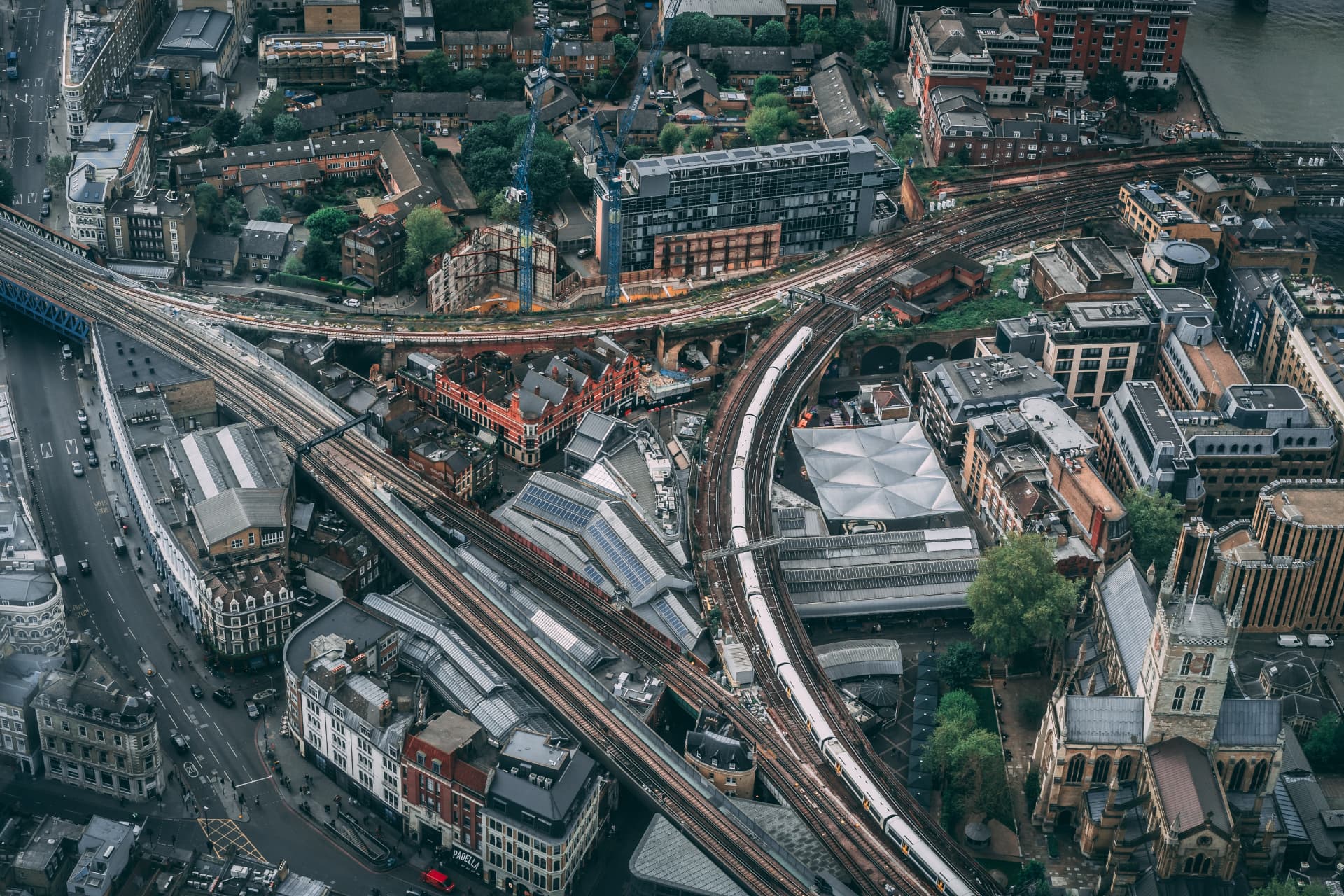
Britain's water is becoming more volatile: too much, too little, too dirty. Flooding, drought and pollution already disrupt railways, roads, homes, farms, energy networks and water supply. Restoring the landscapes around that infrastructure is one of the most direct ways to make it more resilient.
- Too much
£2.2bn
Average annual UK flood damages
Environment Agency · LTIS, 2023
- Too little
4bn L
Additional daily water capacity England needs by 2050
National Infrastructure Commission, 2018.
- Too dirty
14%
England's rivers and lakes in good ecological health
Environment Agency, 2025 classification.
Nature is critical infrastructure.
Natural assets support economic assets. Food, energy, housing, transport, water and health all rely on natural systems.
Economic assets — Food, Energy, Housing, Transport, Water, Health — all depend on natural assets: Rivers and wetlands, Woodland, Soils, Farmland, Coasts and catchments.
- Food
- Energy
- Housing
- Transport
- Water
- Health
- Rivers and wetlands
- Woodland
- Soils
- Farmland
- Coasts and catchments
Degraded catchments are a liability. Restored catchments are an asset.
Degraded landscapes create environmental, operational and financial risks. Restoration reduces each one.
Degraded catchmentRestored catchment
Environmental risk
Flooding, drought and poorer water quality
Water slowed, stored and cleaned
Operational risk
Disrupted transport, energy and water networks
More reliable networks and supply
Financial risk
Losses, higher insurance and repair costs
Lower losses and more predictable costs
Oxfordshire · Lead project
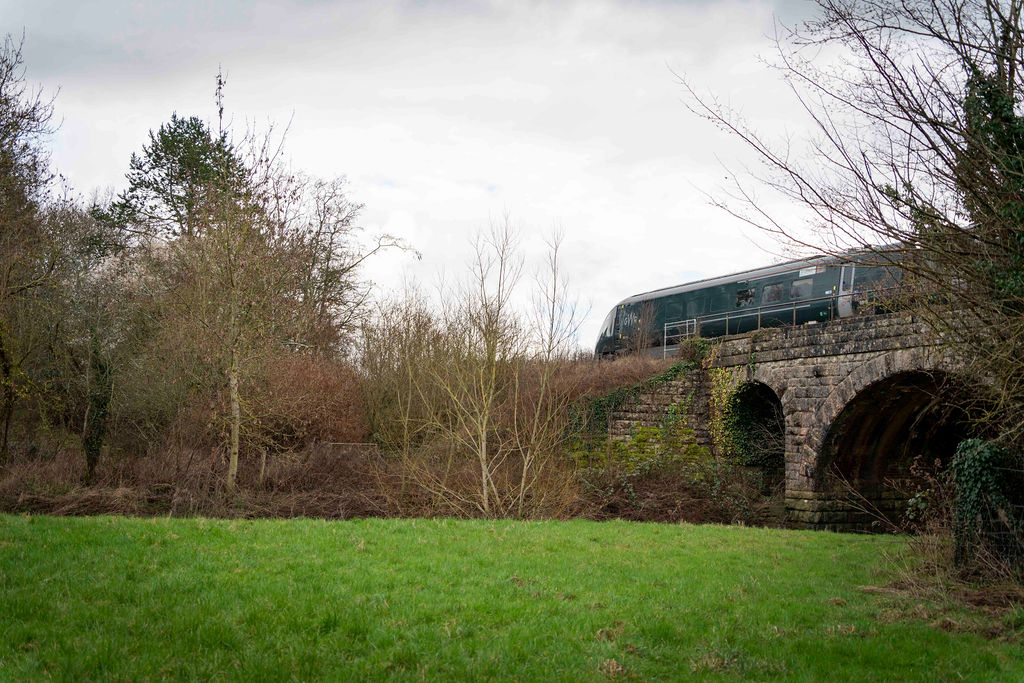
Evenlode Landscape Recovery
One of the first Defra Landscape Recovery projects in delivery, and the first led by a farmer cluster.
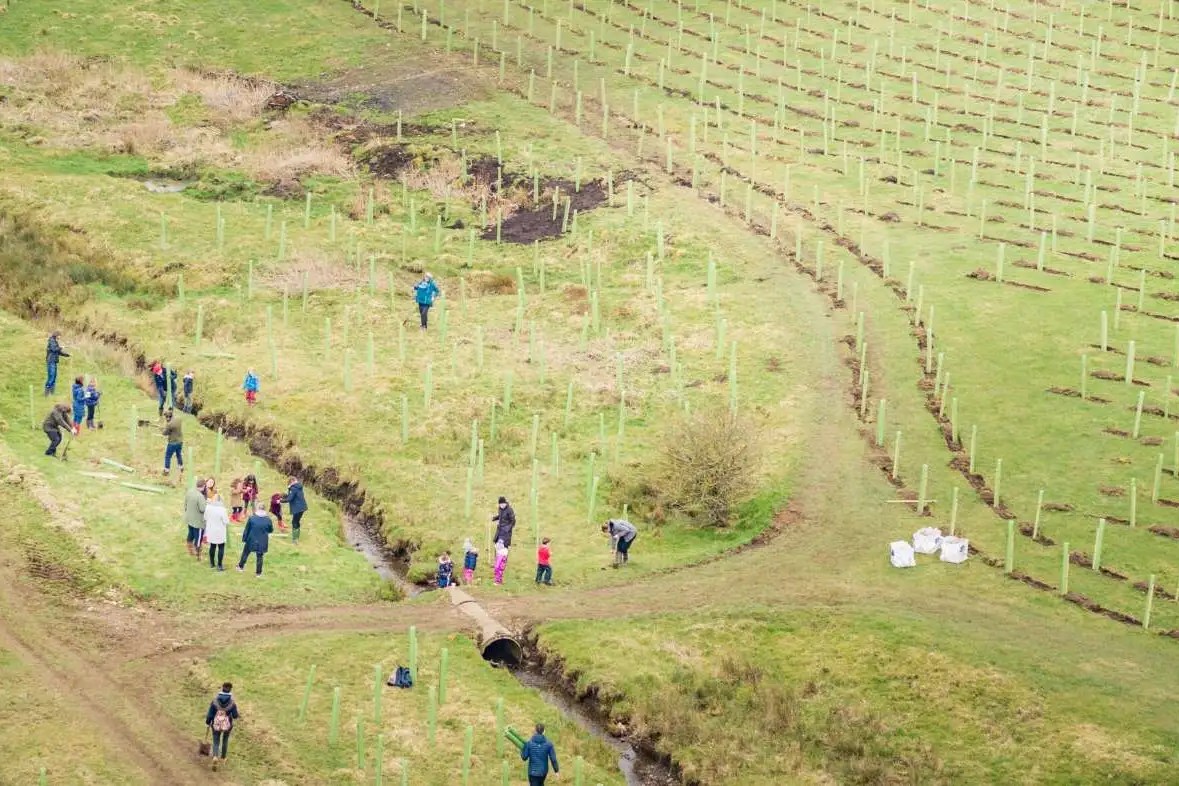
Yorkshire Dales
Broughton Sanctuary
Restoration of 607 hectares on the Broughton estate near Skipton.
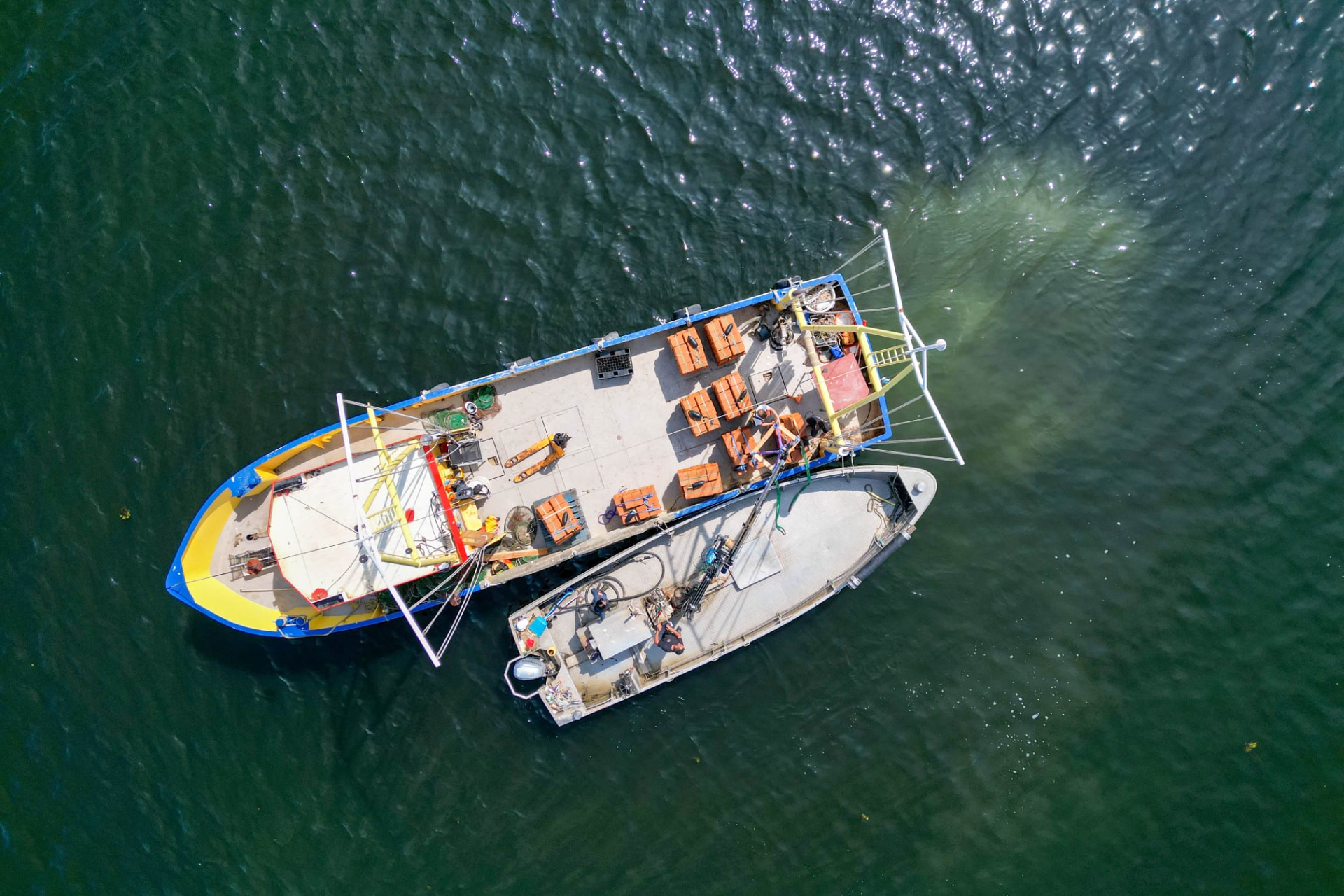
North Norfolk coast
Project Luna
The UK's largest native oyster reef restoration, delivered by Oyster Heaven.